
PVC Foam Board Range
PVC Celuka Foam Board
Rigid PVC foam board with a dense Celuka skin and lightweight foamed core for cabinet, furniture, CNC and interior fabrication projects.
- 1.8–30 mm thickness
- Hard, smooth outer skin
- Density selected by application
- Custom sizes and colors
Final thickness, density, dimensions, surface finish and packing are confirmed against the selected production grade before order.
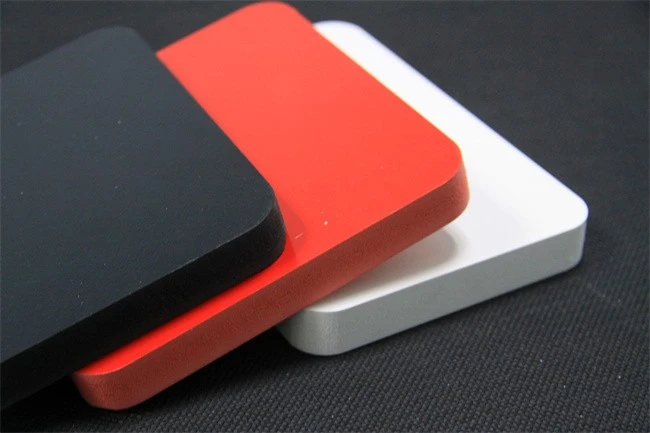
Product Overview
A hard skin for furniture and fabrication
PVC Celuka foam board is made using Celuka extrusion technology, forming a denser outer skin around a foamed core. The structure gives the board a firmer surface, good panel rigidity and clean processing edges. It is suited to applications that need more surface hardness and screw fixing than a thin, lightweight advertising sheet.
Dense Celuka skin
A firmer outer surface supports clean edges and a more robust feel during handling and fabrication.
Rigid panel structure
Suitable for cabinet panels, furniture components, shelves, partitions and other fabricated panels.
CNC-friendly processing
Can be cut, drilled, routed, engraved, laminated and screw-fixed using suitable tooling and grade selection.
Technical Reference
Specifications and customization
Use these values as a starting point for discussion. Confirm the final grade and tolerances before production.
| Material | PVC foam board with a hard Celuka skin |
|---|---|
| Thickness | 1.8–30 mm |
| Regular sheet size | 1220 × 2440 mm |
| Large sheet sizes | 1560 × 3050 mm and 2050 × 3050 mm |
| Density | 0.31–0.90 g/cm³ across the range. Common interior and furniture options: 0.50, 0.55, 0.60, 0.65 and 0.70 g/cm³. |
| Color | White, black, red and customized colors |
| Surface | Smooth, dense and hard Celuka surface |
| Processing | Cutting, drilling, CNC routing, engraving, laminating and screw fixing |
| Applications | Cabinets, furniture, shelves, CNC parts, wall panels, partitions and decoration boards |
| Packing | Standard plastic bag packing is included. Pallet or carton packing is available at an additional cost. |
Select the board by thickness, density and application. The quotation specifies the agreed sheet size, tolerances, finish and packing.
Board Structure Comparison
Where Celuka fits in the PVC board range
Celuka board is a practical starting point for furniture and interior fabrication when a firm skin and a machinable foam core are useful. Compare the structure and finished use before comparing the price per sheet.
| Board option | Main selection focus | When to discuss it |
|---|---|---|
| Celuka foam board | Dense, hard outer skin around a foamed core | Furniture components, CNC parts, partitions and interior panels requiring a firmer surface. |
| Free foam board | Smooth matte face and lightweight thin-sheet options | Printed graphics, mounted displays and signs where the mounting method suits a lighter sheet. |
| Co-extruded foam board | Dense outer skins with gloss or matte finish options | Visible cabinet or decorative panels where face appearance is a key part of the specification. |
| Laminated PVC board | Decorative finish applied to an agreed base board | Woodgrain or solid-color furniture and interior panels that need a selected decorative face. |
For interior and furniture orders, common density discussions start at 0.50 g/cm³ and include 0.55, 0.60, 0.65 and 0.70 g/cm³. Choose density together with thickness, panel span and fixing design. A higher density is not an automatic substitute for support or suitable hardware.
Building & Furniture Uses
A workable panel for cabinet and interior fabrication
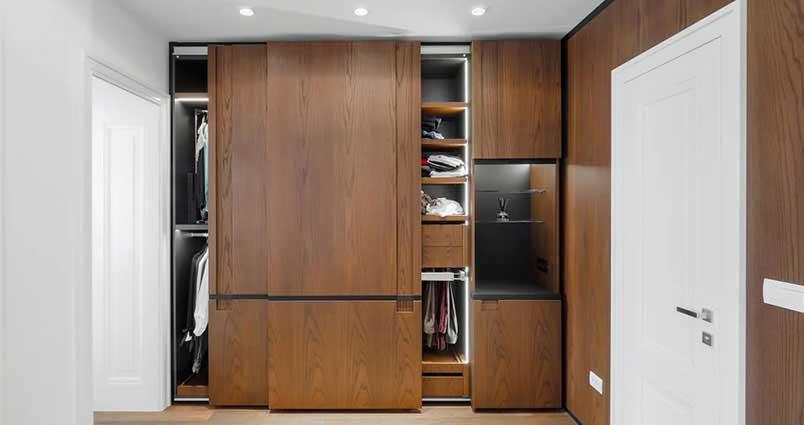
Cabinet carcasses, partitions and storage
Specify the thickness and density around the panel size, joints and hardware. For shelves or wide horizontal panels, provide the support arrangement and intended contents rather than relying on a general furniture grade.
CNC parts and interior panels
The dense face and foam core can be used for cut and routed components. For recessed areas, grooves and visible edges, trial the actual detail in a sample sheet to check finish and fit.
Where a gloss face is important, compare co-extruded options. For a woodgrain appearance, review a laminated finish on a suitable base board.
Machining & Assembly
Plan the visible face and the machined core
The face of a sheet and a routed recess expose different parts of its structure. Include both in your sample review.
Cut a representative component
Use the selected thickness and density with the tooling intended for production. Check the face, cut edge, squareness and final dimensions before nesting a full batch.
Review grooves and routed details
A groove or recess can pass through the dense skin into the foamed core. Inspect the exposed surface and the fit of mating parts; do not judge a routed detail only from an uncut sample.
Check drilling and fastening
Trial the actual pilot hole, screw and connector. Support the part during machining and review the finished joint, especially close to edges and around hinges or brackets.
Trial the final surface treatment
For painting, bonding or lamination, check the chosen product with the actual board. Review adhesion and appearance on a sample using the fabricator’s proposed preparation and application method.
Production & Export Support
Agree the order details before production
A clear specification makes quotations easier to compare and repeat orders easier to match. Use the following points when approving the sample and purchase order.
- Thickness and dimensional fit
- State the sheet dimensions and tolerances needed by your cutting and joining process.
- Density and component purpose
- Agree the density alongside the end use; keep the sample specification with the order.
- Face, cut edge and routed detail
- Review the visible face and a representative machined part rather than only an uncut corner sample.
- Colors and surface treatment
- Confirm the required color and any paint, adhesive or lamination trials before a repeat run.
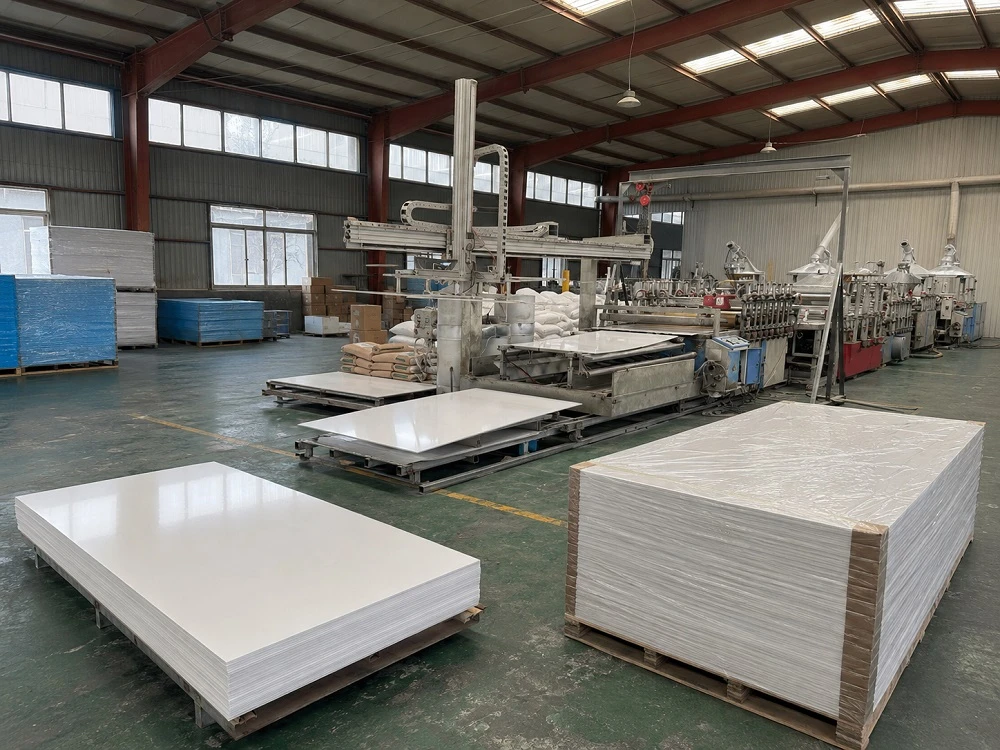
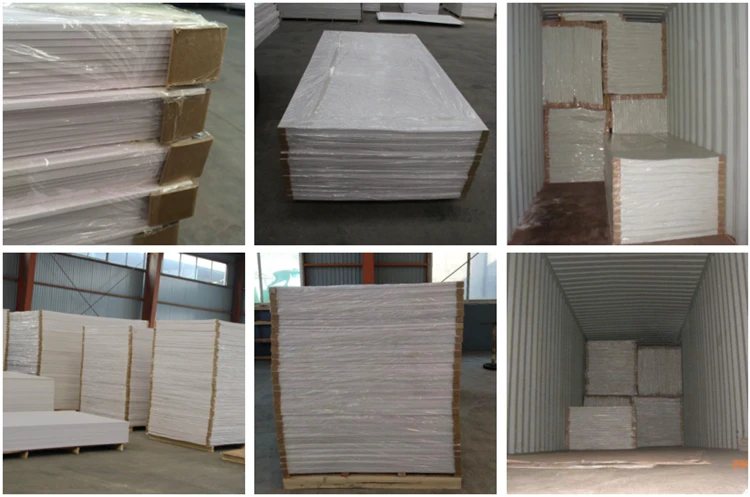
Factory supply and sample review
SincePlast is the export showcase of Zibo Kaichuang Plastic Co., Ltd., a PVC foam board manufacturer in Zibo, Shandong. Discuss the sample specification before moving to a full order. Standard samples are free, with courier charges paid by the buyer; larger sample sizes can be discussed.
Packing, mixed loads and delivery
Standard plastic bag packing is included. Pallets and cartons cost extra; protective film is confirmed by agreement. Different sizes and thicknesses can be mixed in a full container. Typical base-board lead time is 7–15 days, with the final schedule confirmed for the specification and quantity.
Practical Buyer Questions
Frequently asked questions
Is Celuka the same as free foam board?
Both are PVC foam boards, but Celuka has a denser outer skin. Free foam is commonly used for lightweight printing and display work; Celuka is often selected for furniture and other fabricated panels.
Does the hard skin continue through a routed groove?
Routing can expose the foamed core below the skin. Check the actual groove or recess on a sample if its appearance, fit or fastening function is important.
Which density should a furniture buyer request?
Common options include 0.50, 0.55, 0.60, 0.65 and 0.70 g/cm³. Supply the panel size, thickness, hardware and support arrangement so the discussion matches the finished component.
Can the board be painted or laminated?
Suitable surface treatments can be discussed, but the coating, adhesive and preparation must be compatible with the selected PVC board. Approve a treated sample before production.
Can larger sheet formats reduce joints?
1560 × 3050 mm and 2050 × 3050 mm formats can be discussed. Availability depends on the selected thickness and production format; also check handling and machining capacity at your workshop.
Product Inquiry
Need help selecting the right board?
Share your intended use, required thickness, dimensions, density, finish and quantity. We will review the details and recommend a specification for quotation.